


British horse racing is a sport steeped in tradition and excitement, drawing in millions of fans and participants alike. However, there are moments when this beloved sport comes to a halt, and understanding these pauses is essential for grasping the full picture of racing in the UK. In this article, we explore the various reasons that lead to British horse racing not being on, the implications of these absences, and the overarching themes that connect the sport. For insights into racing management and data analytics, visit British horse racing not on GamStop EquiFACS.
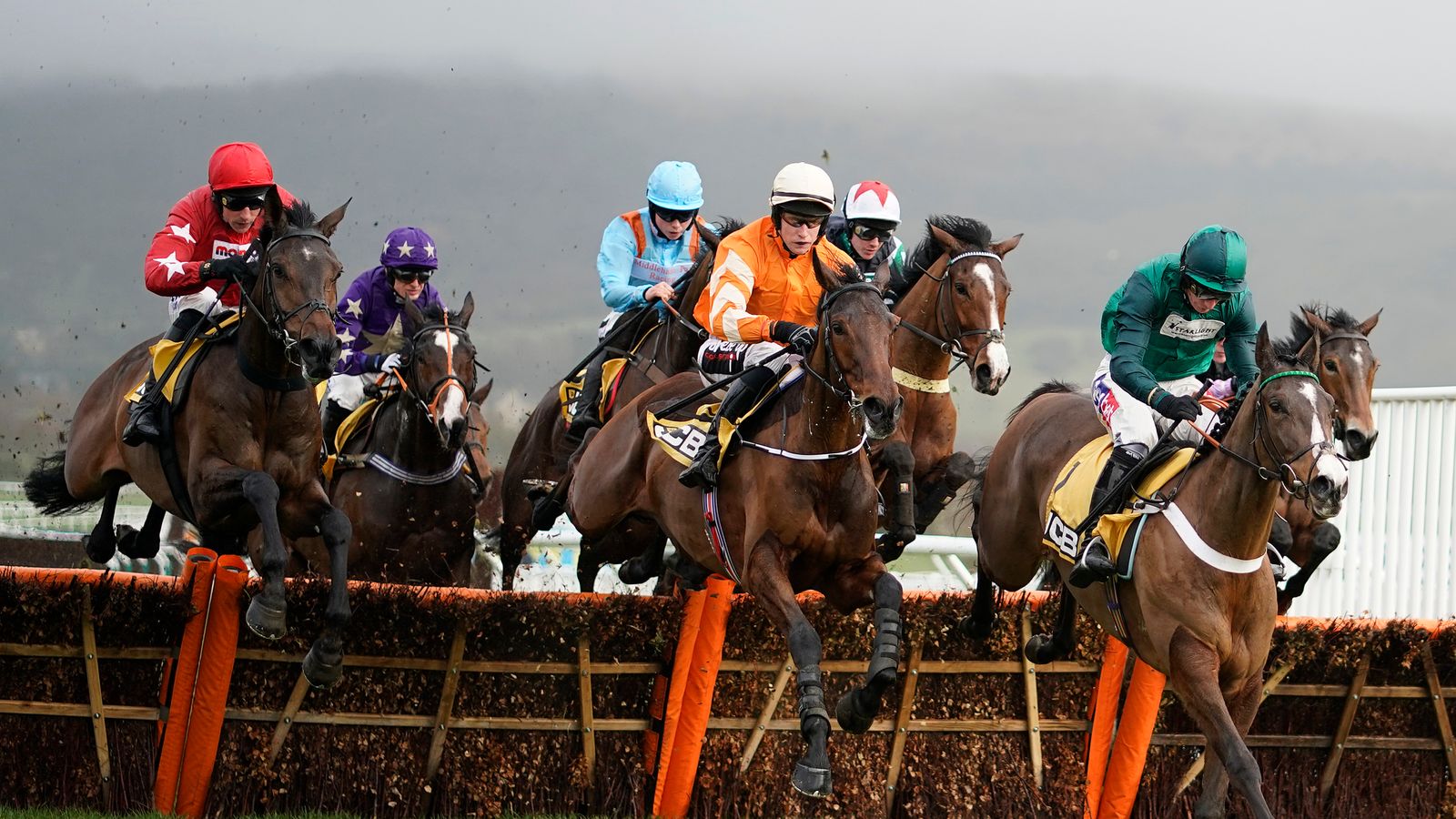
One of the primary reasons British horse racing may be off or postponed is inclement weather. The UK is notorious for its unpredictable weather patterns, which can severely impact the condition of racecourses. Heavy rain can turn pristine turf into muddy quagmires, making it unsafe for both horse and rider. Alternatively, extreme heat can lead trainers and organizers to assess the well-being of the horses, postponing races to ensure their welfare. Understanding how weather affects race scheduling is crucial for fans and participants alike.
Another significant reason for racing absences can be regulatory changes or updates. The British Horseracing Authority (BHA) frequently reviews and adjusts regulations to enhance safety, integrity, and the overall quality of horse racing. This can involve suspending races temporarily to implement new rules or procedures that ensure the safety of both equine athletes and their jockeys. Such changes, while occasionally disruptive, play a vital role in the sport’s progression and evolution.
During notable events, such as the COVID-19 pandemic, horse racing faced an unprecedented hiatus. Races were initially cancelled or held without spectators, causing a ripple effect throughout the industry. The pandemic prompted a re-evaluation of how races are organized, with a strong focus on digital engagement and the adoption of technologies to enhance fan experience. While the actual races faced interruptions, this period also sparked innovation that continues to benefit the sport.
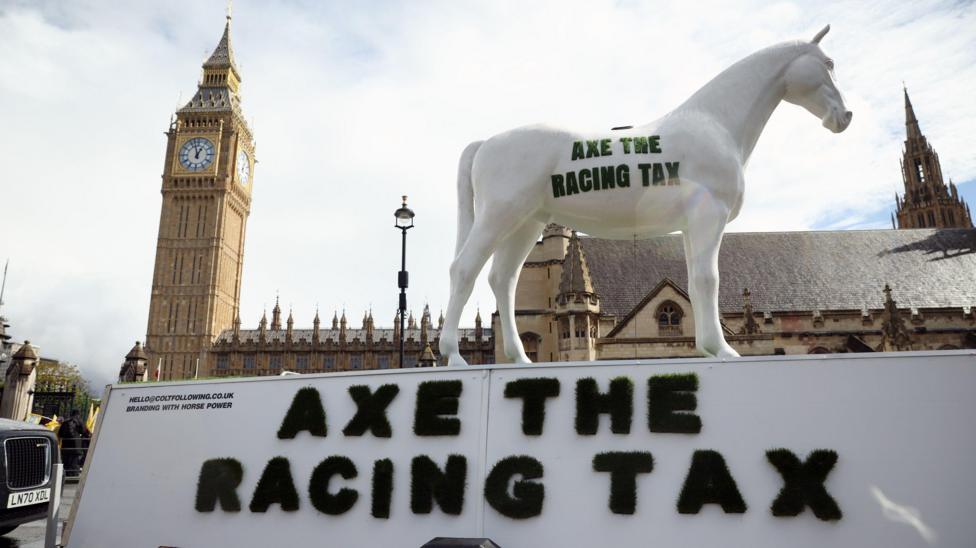
In addition to weather and regulatory challenges, financial considerations impact the scheduling of races. The economic climate can dictate the viability of certain events, leading to cancellations or rescheduling. For example, if sponsorships falter or attendance is likely to be low, race organizers may decide to hold off on certain meets until a more favorable situation arises. This financial balancing act is critical for maintaining the sustainability of horse racing in Britain.
The social landscape surrounding British horse racing is also shifting. Public interest can wax and wane, influencing the calendar. For example, when the sport feels disconnected from younger audiences or is overshadowed by other entertainment forms, organizers may take a step back on certain races to revamp their offerings. The infusion of modern marketing strategies and fan engagement initiatives often comes from these reflections, reshaping how racing events are marketed and presented.
Despite these temporary interruptions, British horse racing holds an invaluable place in the cultural fabric of the UK. The sport has evolved to adapt to changing times, embracing technology, and adopting new, compelling narratives that invite new audiences to engage with racing. The return from these absences often comes with renewed vigor, as both enthusiasts and newcomers look forward to the thrill of the track.
As we look to the future, the resilience of British horse racing becomes evident. Its ability to navigate challenges—whether they be environmental, regulatory, social, or economic—highlights the sport’s deep-rooted history and its potential for innovation. Racing organizations, teams, and fans alike understand that while absences can be disheartening, they often serve as a catalyst for growth and progress within the sport.
In conclusion, while British horse racing may not always be on, each interruption brings with it a wealth of opportunities for reflection and progress. Whether to ensure safety, adapt to societal shifts, or respond to global challenges, the sport demonstrates remarkable resilience and adapts to the evolving landscape. As we continue to appreciate this magnificent sport, let us remain hopeful for its future, celebrating both the races that captivate our hearts and the moments of pause that inspire us to rethink and reimagine racing in Britain.