

Overtrading comes in several distinct forms, each with unique triggers and consequences that can compromise a trader’s portfolio. For professional-grade stock and crypto charts, we recommend TradingView – one of the most trusted platforms among traders. Moreover, excessive trading can also lead to an over-leveraged account. If this describes you, consider finding another source of income while you learn to trade part-time, or in a simulator.

SEBI Investor Website
Many traders enter the stock market without a clear plan or strategy. They are likely to make impulsive decisions based on market fluctuations without a structured approach. A well-defined trading plan outlines specific goals, entry and exit points, and risk management strategies, which can help prevent impulsive trades driven by short-term market movements. To prevent overtrading, follow risk management plan, set clear trading everestex exchange goals, stick to a structured trading plan, and use stop-loss orders.
Challenge-Specific Methods for Staying Disciplined
Imagine that you’re not following your plan and are making trades all over the place in the hopes of making money quickly. Having a good trading strategy will help you avoid the risk of overtrading. Trading without having a clear idea in mind can bring results once, twice. In the medium and long term, however, relying totally on chance will inevitably lead to more or less consistent losses. These are traders who make money by opening tens of trades every day.
Remember, success in trading is not measured by the number of trades you execute, but by the consistency and discipline with which you approach the market. The core of disciplined trading is a well-thought-out trading plan. A broker who comes with a well-thought-out approach gives rise to the possibility of acting impulsively, which leads to results that are not consistent and unnecessary losses. In this regard, a trading plan is a roadmap that traders use to trade the market and avoid emotionally reacting to the short-term price fluctuations in the market. Limiting the number of trades forces traders to prioritize high-probability setups rather than chasing every potential opportunity. To stick to your daily trading plan and avoid the trap of overtrading, start by setting a clear limit on the number of trades you’ll make each day – say, between 3 and 5.
Short Condor: One of the Most Successful Weekly Option Strategy
You are a serious trader and don’t need the market to act as your adrenaline shot. Again, know the setups you trade and don’t try to trade every formation present in the market. However, when you view the market through the prism of other people have stolen my money or I need to get back what I’ve lost, you are on the brink of overtrading. What you need to realize is that the market does absolutely nothing without your permission. You are the master of your destiny and your trading results are only a mere reflection of your relationship with money.
By implementing these practices and maintaining self-discipline, you can avoid the trap of overtrading and increase your chances of long-term financial success. Learn how to apply for the Highness Microelectronics IPO with our step-by-step investment guide. Explore IPO details, pricing, lot size, and process to apply online with ease. This kind of behaviour always leads to bad choices and eats away at revenues over time. Without defined rules for entering and leaving trades, traders typically respond to noise in the market.
Staying Consistent and In Control
Choosing the right trading journal is essential for traders wanting to analyze performance, refine strategies, and improve consistency. You might stay in bad trade for months thinking the stock will recover. If you place a stop loss at a level where you have decided to book a loss and move into the next trade, it helps to protect your capital and ensures that you stick to your strategy. It is easy to get caught up in the excitement of making quick profits by trading in the stock market. What you may not realise is that you might be overtrading in the stock market. Whether it’s stepping away for a few minutes or taking a full day off, breaks provide the mental clarity needed to avoid emotional trading and regain control over your actions.
How to Measure Your Trading Performance
For instance, if you notice that you’re frequently making small trades without clear reasons, your journal will highlight this pattern. Recording your trades helps you see if you’re trading more often than your strategy recommends. It often leads to stress and anxiety as you’re constantly worried about your trades. Making impulsive decisions based on emotions rather than a solid strategy can affect your overall well-being and make it harder to stay focused.
Impact on Individual Investors
For example, if they see companies like Tesla, Nio, Roku, and Okta moving in the premarket, they will want to get into the market action. While overtrading can see you make a lot of money, it can also expose you to substantial losses in a trading session. Having a well-defined trading routine helps you understand the right time to trade. Basically, maintaining a well-established trading plan will help you solve 50% of the symptoms that cause overtrading. If you’ve been learning to trade for a while, I’m sure you’ve come across the term ‘overtrading’.
Planning and Risk Management to Stop Overtrading
This is a crucial skill and one of the most difficult ones to learn. Another sign of overtrading is the constant monitoring of market prices and trends. While staying informed is essential, an obsession with market movements can lead to anxiety and impulsive decision-making. If a trader finds themselves glued to their screens, checking prices multiple times an hour or jumping from trade to trade without adequate research, they may be overtrading.
Effective strategies to prevent overtrading
- You should always trade a well-defined plan and keep emotions out of your decision-making process.
- Early detection of these behavioral patterns permits traders to analyze their behavior and direct their focus toward their strategy while building a structured trading approach.
- Assuming you have ignored items #1 and #2, if you implement item #3, you may still be okay.
- FOMO-driven trades are often low-quality, resulting in losses because they are entered with emotion, not logic.
- If an investor thinks they have been a victim of churning or overtrading, they can file a report with either the SEC or FINRA.
- Failing to Follow the Trading SystemOvertrading is a major factor in breaking your trading plan, which can lead to account loss.
Overtrading occurs when traders execute an excessive number of trades without a clear strategy, often driven by emotions like fear, excitement, or impatience. This habit can lead to poor decision-making, increased fees, and unnecessary financial losses. Emotional resilience strengthens your ability to handle trading pressures without acting impulsively. Facing unpredictable market conditions, even the most prepared traders can feel fear, greed, or frustration take hold.
The repeated practice of trading more frequently than appropriate causes financial damage through both high fees and diminished profits. Excessive trading throughout time will damage mental health for traders by creating stress and leading to frustration and burnout symptoms. Multiple incidents of overtrading create poor trading choices that affect both investment results and long-term trading achievements. Overtrading damages investment returns and interferes with strategic business plans in all market situations. Following a disciplined trading approach using a well-planned strategy enables traders to resist impulsive actions during all market conditions.
Trading is one of those things in life that you need to work hard at offline, but not necessarily in the market. This limit has to be set based on looking at your trading results going back for a minimum of 3 months. For example, if your greatest day ever over a 90-day look back period is 5k and you hit 8k on a given day, you should likely close up shop. Overtrading means trading too much, which is a problem for many traders around the world. Many traders believe that the more they trade, the better their results will be.
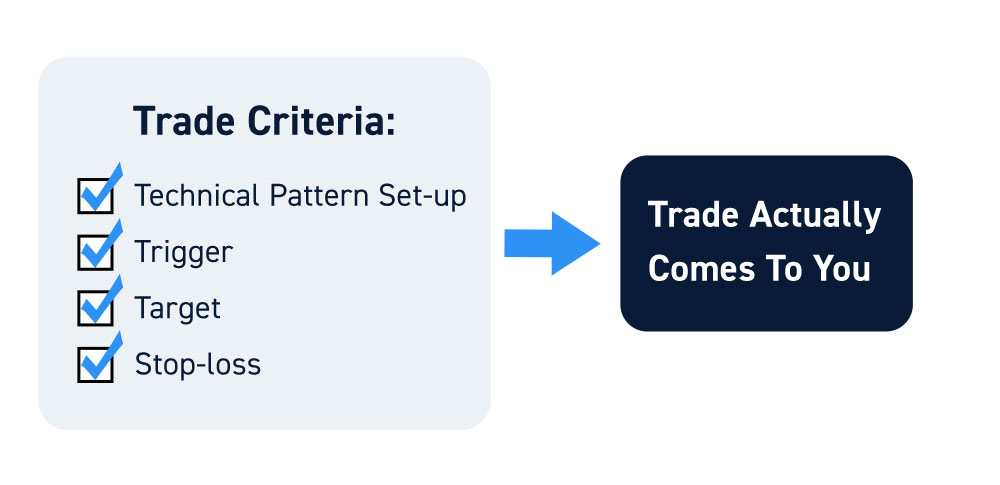
There are plenty of millionaires in the market that scalp for pennies. But if this isn’t your goal or strategy, then you aren’t seeing the big picture. Take the time to create your TradeBook, test your strategy, and hone your “chart eye” to see when it’s really there. As you watch the market, have this handy and check off your criteria before you actually take the trade. This can help you create a solid trade plan and have more confidence in the trade. Then, you enter again and again in a vicious cycle until you are afraid of losing one last time when the trade is actually primed and ready.
Importance of financial health
Daily Accountability CheckpointsIncorporate quick journal reviews into your routine to rate your discipline and note any deviations from your trading plan. Even a brief self-assessment can increase your awareness and help you stay on track. Log Trades ImmediatelyDocument every trade as soon as it happens.