

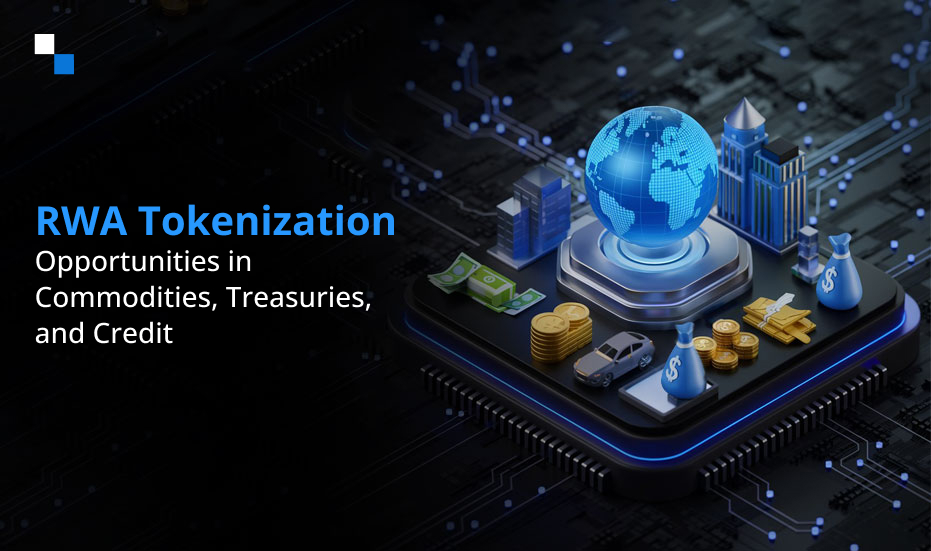
The rise of blockchain technology has ushered in a new era for various industries, and real estate is no exception. The concept of tokenized real estate is gaining traction among investors, developers, and property owners alike. This innovative approach combines traditional real estate with digital tokens, enabling fractional ownership and simplifying transactions. Through platforms like tokenized real estate metadefiassets.com, people can now invest in real assets with unprecedented ease and transparency.
**Understanding Tokenization of Real Estate**
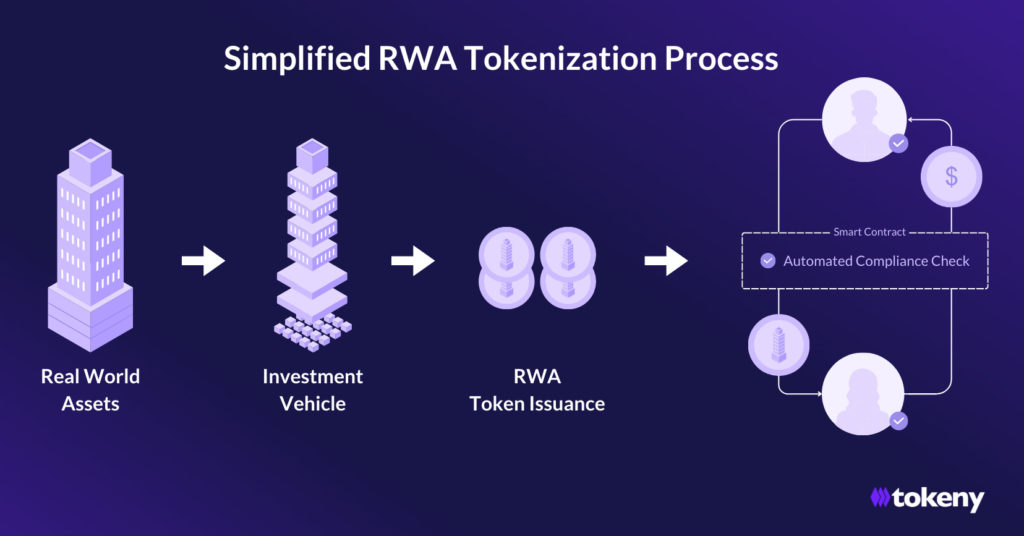
At its core, tokenization refers to the process of converting ownership rights of real-world assets into digital tokens that can be recorded on a blockchain. Each token represents a fraction of the property, allowing multiple investors to own a portion of the asset. This democratization of real estate investment opens doors for average individuals who may not have the capital to buy whole properties, promoting greater financial inclusion.
The concept of tokenized real estate simplifies the investment process. Traditionally, purchasing property involves significant capital, extensive documentation, and sometimes complex legal frameworks. In contrast, tokenization facilitates streamlined transactions and reduces the bureaucratic hurdles associated with real estate investments. Moreover, blockchain technology ensures that every transaction is transparent, secure, and immutable, fostering trust among investors.
**Benefits of Tokenized Real Estate**
1. **Fractional Ownership**: Tokenization allows investors to purchase fractional shares of properties. This means that people can invest in high-value real estate assets without the financial burden of buying entire properties. By lowering the entry barriers, tokenized real estate appeals to a broader audience, including smaller investors and those exploring diversification.
2. **Increased Liquidity**: Real estate is traditionally considered an illiquid asset since selling a property can take time. Tokens representing real estate can be traded on various exchanges, increasing liquidity. This enables investors to buy and sell their stakes in real estate easily, similar to trading stocks.
3. **Transparency and Security**: Blockchain technology provides a secure and transparent way to track property ownership and transactions. Each token is uniquely identifiable, allowing for clear ownership records. This transparency minimizes disputes over ownership rights and reinforces trust in the investment process.
4. **Global Reach**: Tokenized real estate opens opportunities for international investment. Investors from around the world can access real estate markets they may have previously thought unattainable. This not only broadens the investor base but also allows for greater diversity in property portfolios.
**Navigating the Challenges**
While tokenized real estate presents numerous benefits, there are challenges to consider. Regulations surrounding real estate and blockchain can be complex and vary across jurisdictions. It’s crucial for both investors and platforms to navigate these regulatory landscapes diligently.
Additionally, the technology underlying tokenized real estate must continually evolve to address security concerns, scalability, and user experience. Investors must do their due diligence to understand the risks involved before investing in tokenized real estate opportunities.
**Investment Strategies in Tokenized Real Estate**
Investors looking to capitalize on the tokenized real estate trend can explore various strategies:
1. **Diversifying Portfolios**: Tokenized real estate allows investors to diversify their portfolios without needing significant capital. By spreading investments across different properties and markets, investors can mitigate risks while maximizing potential returns.
2. **Long-term Hold vs. Short-term Trading**: Depending on individual investment goals, investors can choose to hold onto their tokens for the long term to benefit from property appreciation or engage in short-term trading for liquidity.
3. **Participating in Real Estate Funds**: Some platforms offer real estate investment funds that leverage tokenization. By investing in these funds, individuals can access a diversified portfolio of properties managed by experienced professionals.
**The Future of Tokenized Real Estate**
As the market for tokenized real estate continues to develop, the potential impact on the broader real estate sector is profound. We may witness increased acceptance of tokenization among traditional real estate firms, banks, and financial institutions, fostering collaboration between conventional methods and blockchain innovations.
Innovations in smart contracts can also streamline leasing processes, property management, and profit distribution among stakeholders. As technology matures, the operational efficiency of tokenized real estate is expected to improve, attracting more investors and establishing a new norm within the industry.
In conclusion, tokenized real estate represents a groundbreaking shift in the way we invest in and manage real estate assets. By blending blockchain technology with traditional real estate practices, tokenization creates opportunities for more inclusive participation in the property market while enhancing liquidity, transparency, and efficiency. As the landscape evolves, staying informed and cautious will be essential for navigating this exciting new frontier.