


Forex swing trading is a popular strategy among traders who aim to capitalize on short to medium-term price movements in the foreign exchange market. While swing trading does involve some level of risk, it can be a highly rewarding strategy when executed properly. In this article, we will delve into effective swing trading strategies and useful tips that can help you enhance your trading skills. Additionally, if you are seeking reliable trading platforms, consider exploring forex swing trading strategies Pakistani Trading Platforms.
Understanding Forex Swing Trading
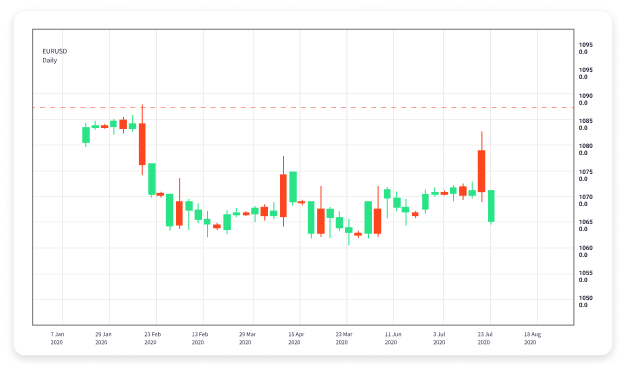
Forex swing trading is a trading style that allows traders to take advantage of price swings in the market. Unlike day trading, which focuses on making numerous trades in a single day, swing trading typically involves holding positions for several days or weeks. The primary goal of a swing trader is to capture a significant price movement in a currency pair, allowing for greater profit potential with fewer trades.
Key Concepts in Swing Trading
To become successful in swing trading, it’s crucial to understand some key concepts:
- Market Trends: Recognizing whether the market is in an upward, downward, or range-bound trend is essential for making informed trading decisions.
- Support and Resistance: Identifying key support and resistance levels can help traders determine entry and exit points for their trades.
- Risk Management: Effective risk management strategies are critical to minimize losses and protect capital.
- Technical Indicators: Utilizing technical indicators can provide valuable insights into potential price movements.
Effective Forex Swing Trading Strategies
Here are some proven swing trading strategies that can help you successfully navigate the forex market:
1. The Moving Average Crossover Strategy
The moving average crossover strategy is one of the simplest yet effective approaches to swing trading. This strategy involves using two moving averages: a shorter-term and a longer-term moving average. When the shorter moving average crosses above the longer moving average, it generates a bullish signal, indicating a potential buy opportunity. Conversely, when the shorter moving average crosses below the longer moving average, it suggests a bearish signal, indicating a potential sell opportunity.

2. Fibonacci Retracement Levels
Fibonacci retracement levels are popular among traders for identifying potential reversal points in the market. By drawing horizontal lines at key Fibonacci levels (23.6%, 38.2%, 50%, 61.8%, and 100%), traders can determine areas where prices may retrace before continuing in the direction of the trend. Swing traders can enter positions at these levels, anticipating a bounce or reversal.
3. RSI (Relative Strength Index) Strategy
The Relative Strength Index (RSI) is a momentum oscillator that measures the speed and change of price movements. By using the RSI, swing traders can identify overbought or oversold conditions in the market. An RSI reading above 70 suggests that a currency pair may be overbought (potential sell signal), while a reading below 30 indicates that it may be oversold (potential buy signal). Traders can use these signals to time their entries and exits effectively.
4. Chart Patterns
Recognizing chart patterns can significantly enhance a swing trader’s ability to predict future price movements. Patterns such as head and shoulders, double tops/bottoms, and triangles can provide valuable insight into potential breakout or reversal points. Traders can enter positions based on the confirmation of these patterns while keeping an eye on volume to validate the price movement.
5. Trend Reversal Strategy with Candlestick Patterns
Candlestick patterns are powerful tools for swing traders. Patterns such as hammers, shooting stars, and engulfing patterns can indicate potential trend reversals. By combining these patterns with other technical analysis tools, such as support and resistance levels, traders can enhance their odds of successful trades.
Risk Management in Swing Trading
Effective risk management is essential for long-term success in swing trading. Here are some key practices:
- Set Stop-Loss Orders: Always set stop-loss orders to limit potential losses on trades. This ensures that you exit a losing position before significant damage occurs.
- Position Sizing: Determine the appropriate position size based on your account balance and risk tolerance. Never risk more than a small percentage of your trading capital on a single trade.
- Diversification: Avoid putting all your capital into a single trade or currency pair. Diversifying your trades can help spread risk and improve overall performance.
- Regularly Review Your Trades: Keep a trading journal to track your trades, analyze outcomes, and identify areas for improvement. This will help you refine your strategies over time.
Conclusion
Forex swing trading can be a lucrative and rewarding trading style for those who understand the key principles and strategies involved. By utilizing effective swing trading strategies, such as moving average crossovers, Fibonacci retracements, and candlestick patterns, traders can better position themselves to capture price swings in the market. Additionally, implementing sound risk management practices will help protect your capital and enhance your longevity in trading. Remember, practice makes perfect, so begin by demo trading before applying these strategies in a live trading environment.